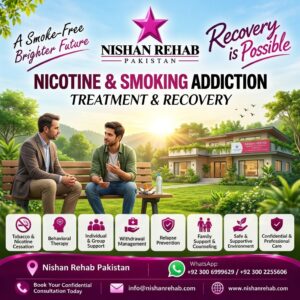
Nicotine and smoking addiction are common health concerns that can affect physical well-being, emotional health, and everyday life. Although smoking may begin out of curiosity, social influence, or stress relief, repeated nicotine use can lead to dependence. Over time, a person may find it difficult to stop smoking even when they understand the risks to their health.
Nicotine addiction is treatable, and quitting is possible with the right combination of preparation, professional guidance, and ongoing support. Understanding the symptoms, causes, treatment options, and recovery process can help individuals take practical steps toward a healthier, smoke-free life.
What Is Nicotine and Smoking Addiction?
Nicotine is an addictive substance found naturally in tobacco. It affects the brain’s reward system, creating temporary feelings of pleasure or relief that can encourage repeated use. As the body adapts to nicotine, a person may develop cravings, tolerance, and withdrawal symptoms when they try to reduce or stop using it.
Smoking addiction commonly involves cigarettes and other tobacco products. Nicotine dependence can also develop through vaping and certain other nicotine-containing products. Although these products differ in how they deliver nicotine and in their associated risks, dependence can make quitting challenging.
Smoking is not simply a habit or a lack of willpower. Nicotine dependence involves biological, psychological, and behavioural factors, which is why a structured approach to quitting can be helpful.
Common Symptoms of Nicotine and Smoking Addiction
Recognising the warning signs can help someone decide when to seek professional support.
1. Physical Symptoms
People who are dependent on nicotine may experience:
- Strong cravings for cigarettes or other nicotine products.
- Irritability, restlessness, or headaches when unable to smoke.
- Difficulty concentrating during periods without nicotine.
- Increased tolerance and a need to use nicotine more frequently.
- Trouble sleeping or changes in appetite during withdrawal.
Smoking can also contribute to coughing, shortness of breath, reduced exercise tolerance, and other health problems. Persistent or worsening symptoms should be assessed by a healthcare professional.
2. Behavioural and Emotional Signs
Nicotine dependence may lead to smoking soon after waking, repeatedly trying to quit without lasting success, or continuing to smoke despite health concerns. Some people may feel unable to manage stress, social situations, or breaks at work without a cigarette.
These patterns can become linked to everyday routines. For example, a person may automatically reach for a cigarette after meals, while drinking tea, or when feeling anxious. Identifying these triggers is an important part of recovery.
Why Is Quitting Smoking Important?
Quitting smoking can improve health and reduce exposure to harmful substances in tobacco smoke. Tobacco use increases the risk of serious conditions, including lung cancer, chronic obstructive pulmonary disease (COPD), heart disease, stroke, and several other cancers.
Second-hand smoke can also harm family members and other people nearby. Reducing and eventually eliminating exposure benefits both the person who smokes and those around them.
Health improvements begin after quitting, although the timing and extent of benefits vary by individual. Quitting can be worthwhile at any age, including for people who have smoked for many years.
Nicotine Addiction Treatment Options
An effective treatment plan considers nicotine dependence, previous quit attempts, daily routines, medical history, and personal preferences.
1. Behavioural Counselling
Counselling can help individuals understand why they smoke and develop strategies to manage cravings. Cognitive behavioural therapy (CBT) and other behavioural approaches may help people identify triggers, change unhelpful patterns, and develop healthier ways to cope with stress.
Counselling can be provided individually, in groups, or through suitable remote services. Support from a trained professional may be particularly useful for people who have tried to quit several times.
2. Nicotine Replacement Therapy
Nicotine replacement therapy (NRT) provides nicotine without exposing a person to the harmful mixture of chemicals produced by burning tobacco. Common forms i
nclude nicotine patches, gum, and lozenges, where available.
NRT can help reduce cravings and withdrawal symptoms while a person works toward quitting smoking. A healthcare professional or pharmacist can advise on the appropriate product and use, especially for people with existing medical conditions, those taking medications, or those who are pregnant.
3. Prescription Medicines
Certain prescription medicines can help some people stop smoking by reducing cravings or making smoking less rewarding. These treatments are not suitable for everyone, so a qualified healthcare professional should assess potential benefits, risks, and interactions before recommending them.
Combining suitable medication with behavioural support can improve the likelihood of quitting successfully compared with relying on willpower alone.
4. A Structured Quit Plan
A practical quit plan can make the process more manageable. Individuals may choose a quit date, remove cigarettes and smoking accessories from their surroundings, inform supportive friends or relatives, and plan alternatives for common smoking triggers.
Helpful strategies include taking a short walk, practising slow breathing, drinking water, or contacting a supportive person when cravings arise. Cravings often pass, even when they initially feel intense.
Managing Nicotine Withdrawal During Recovery
Nicotine withdrawal can cause irritability, anxiety, low mood, restlessness, difficulty concentrating, sleep disturbances, and increased appetite. Symptoms often feel strongest during the early days after quitting and gradually improve, although the experience differs from person to person.
The following approaches may help:
- Maintain regular sleep and meal routines.
- Engage in physical activity suitable for your health.
- Avoid or modify situations strongly associated with smoking.
- Use recommended cessation treatments consistently.
- Seek professional advice if withdrawal symptoms are severe or difficult to manage.
A lapse does not mean that recovery has failed. If someone smokes a cigarette after quitting, they can review what triggered it, adjust their plan, and continue working toward their goal.
How Family Support Helps Smoking Recovery
Family members and friends can provide encouragement without criticising or shaming the person who is trying to quit. Helpful support includes respecting the individual’s quit plan, keeping shared spaces smoke-free, recognising progress, and offering healthy alternatives during difficult moments.
It may also help to avoid smoking around the person who is quitting and to discuss how others can support them. If stress, anxiety, depression, or other concerns contribute to nicotine use, professional mental health support may be appropriate.
Professional Support at Nishan Rehab Addiction Treatment Center
Nishan Rehab Addiction Treatment Center, Islamabad, Pakistan, is a resource for individuals and families exploring professional support for addiction-related concerns. When considering treatment for nicotine or smoking dependence, it is important to ask about assessment, counselling services, coordination with qualified healthcare professionals, and follow-up support.
Not every person who smokes requires residential rehabilitation. Many people can quit through outpatient counselling, evidence-based cessation treatments, and support from a healthcare provider. The appropriate level of care depends on the person’s needs, other substance use, mental health, and overall circumstances.
A personalised plan can help address both nicotine dependence and the routines or emotional triggers that make quitting difficult.
Frequently Asked Questions (FAQs)
1. What are the main symptoms of nicotine addiction?
Common symptoms include strong cravings, difficulty stopping nicotine use, increased tolerance, and withdrawal symptoms such as irritability, restlessness, headaches, and trouble concentrating.
2. Can smoking addiction be treated successfully?
Yes. Behavioural counselling, nicotine replacement therapy, prescription medicines when appropriate, and a structured quit plan can help people stop smoking. Some individuals need several attempts before they achieve lasting abstinence.
3. How long do nicotine withdrawal symptoms last?
Withdrawal symptoms often begin within hours of stopping nicotine and can be most noticeable during the first few days. Many symptoms improve over the following weeks, although occasional cravings may continue for longer.
4. Is nicotine replacement therapy safer than smoking?
Nicotine replacement therapy avoids the toxic products created by burning tobacco and is generally much less harmful than smoking. A healthcare professional or pharmacist can help determine whether it is suitable and how to use it correctly.
5. What should I do if I start smoking again after quitting?
Treat a lapse as an opportunity to learn rather than as a failure. Identify what triggered the cigarette, revise your quit plan, and seek additional support if needed. If cravings remain difficult to manage, ask a healthcare professional about further treatment options.
Conclusion
Nicotine and smoking addiction can be difficult to overcome because they involve physical dependence, learned routines, and emotional triggers. However, evidence-based treatments and ongoing support can make quitting more manageable. Counselling, appropriate cessation medicines, practical coping strategies, and encouragement from family and friends can all contribute to recovery.
Seeking professional advice is a positive step toward reducing the health risks associated with tobacco use. With a suitable plan and persistence, individuals can work toward a smoke-free lifestyle and improved long-term well-being.